3 min read

Vidmob Welcomes Matt Barash as Advisor

Vidmob Welcomes Matt Barash as Advisor
6:45

For years, the advertising industry operated on an implicit assumption: that creative was the one variable too subjective, too human, too difficult to measure in any meaningful way. Budgets flowed toward targeting and media optimization. The creative that consumers actually see and experience, was treated as an afterthought. That assumption no longer holds.

As AI accelerates content production, audiences fragment across more channels than ever, and performance expectations intensify, understanding why creative works has moved from competitive advantage to foundational requirement. Creative data is reshaping how the industry thinks about content, campaigns, and brand building at scale.

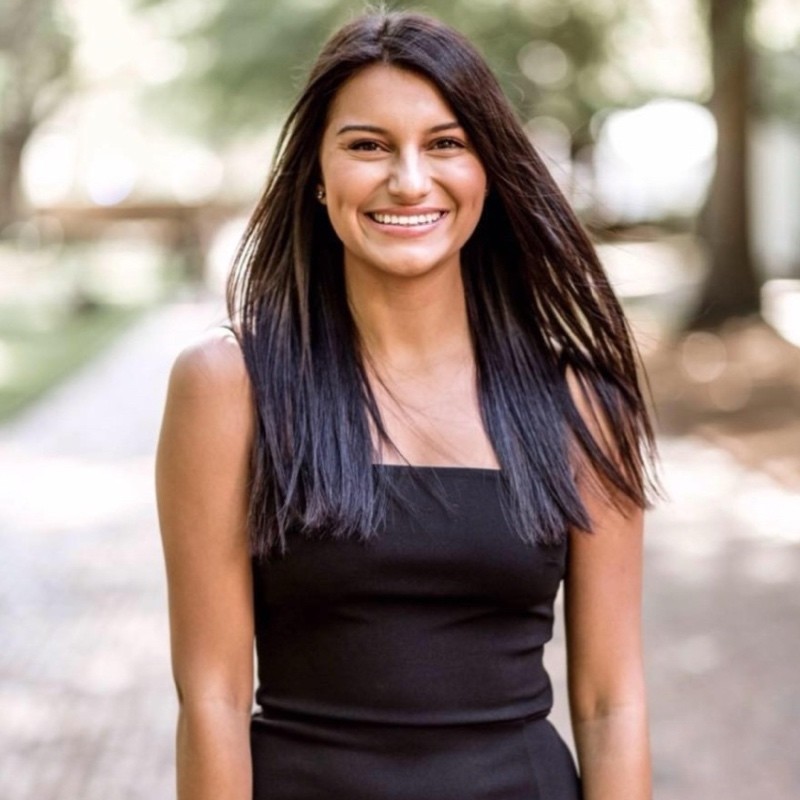
It's precisely at this moment that we're welcoming Matt Barash to Vidmob as an advisor: someone who has spent more than 25 years seeing these shifts coming. From early digital display through mobile, programmatic, social, and CTV, Matt has helped companies navigate major inflection points. He believes the shift toward creative intelligence is one of the most significant opportunities yet. We sat down with him to find out why, and what he thinks comes next.

1. Tell us a bit about your background. What's the through line in your career?

I’ve spent more than 25 years across media, adtech, and marketing, helping companies navigate major moments of industry transformation. From early digital display to mobile, programmatic, social, CTV, and now AI-driven creative orchestration, the consistent thread throughout my career has been understanding where advertising is heading before the broader market fully catches up to it.

2. What drew you to Vidmob specifically?

Vidmob sits at the center of one of the most important shifts happening in advertising right now: the move from creative intuition alone to creative intelligence at scale.

For years, the industry focused heavily on optimizing targeting, automation, and media delivery, while the part consumers actually experience i.e. creative remained comparatively under-instrumented. Vidmob recognized earlier than most that understanding why creative works, and operationalizing those insights across platforms and channels, would become enormously valuable.

What also drew me in was the team’s vision and credibility. There’s a very clear understanding at Vidmob that leveraging AI and data should enhance creativity, not flatten it into generic content. That balance matters enormously, especially in a market increasingly flooded with sameness.

3. How do you see Creative Data fitting into the broader advertising landscape right now?

Creative data is rapidly becoming foundational infrastructure for modern marketing.

For a long time, creative was treated as subjective and difficult to measure beyond surface-level engagement metrics. But in a world where media buying is increasingly automated, audiences are fragmented, and performance expectations are immediate, marketers need a much deeper understanding of the creative variables actually driving outcomes.

Creative data helps bridge that gap. It creates feedback loops between storytelling, platform behavior, audience response, and business performance. That becomes especially important as brands produce exponentially more content across social, retail media, online video, CTV, and emerging AI-powered environments.

The companies that win won’t simply create more assets. They’ll understand which creative signals consistently drive attention, emotion, action, and incrementality across channels.

4. CTV has become one of the most competitive and fast-growing channels in advertising. How do you think there is room for creative data to evolve there?

CTV is undergoing the same transformation digital media experienced years ago: moving from static, one-size-fits-all creative toward dynamic, adaptive, performance-driven creative systems.

Historically, television revolved around the “hero spot”. A single polished piece of creative distributed broadly. But as CTV becomes more measurable and addressable, brands increasingly need creative that adapts to audience, context, timing, and platform behavior.

That’s where creative data becomes incredibly powerful. It allows marketers to understand which storytelling elements, pacing, visuals, emotional cues, and formats resonate with different audiences and environments. Over time, I believe streaming creative starts behaving much more like performance creative: iterative, modular, responsive, and continuously optimized. The future of CTV won’t simply be about better targeting. It will be about smarter creative orchestration at scale.

5. What does the industry get wrong about creative today?

The industry still too often treats creative as the finishing touch instead of the core driver of performance.

For years, digital advertising prioritized targeting, optimization, and media efficiency while assuming creative could be swapped in almost interchangeably. But consumers don’t experience targeting strategies, they experience content. They remember stories, emotion, authenticity, entertainment, relevance, and cultural connection.

I also think the industry sometimes misunderstands AI’s role in creativity. The biggest opportunity isn’t using AI to mass-produce generic ads. It’s using AI to identify, adapt, scale, and orchestrate the creative ideas that already prove they resonate with real audiences. AI is the multiplier. Authenticity doesn’t come from a prompt. It comes from understanding what people genuinely connect with.

6. What do you hope to contribute as an advisor?

Sometimes the most valuable contribution an advisor can make is strategic guidance. Sometimes it’s a quick call that helps unblock an opportunity, accelerate a relationship, make an introduction, or simply help move something forward faster. And sometimes it’s being a trusted sounding board, mentor, or friend during periods of growth, pressure, and change.

That accessibility and willingness to lean in really matters to me. I want to be a resource not just for leadership, but for anyone across the organization who feels I can help. I’m especially excited to support Mark Mannino and Alex Collmer, I have tremendous respect for each of them. Mark as a longtime friend and operator I’ve admired for years, and Alex as one of the true visionaries and entrepreneurs in advertising technology. I think the opportunity to combine visionary product thinking with strong market positioning, operational leadership, and industry connectivity is incredibly powerful.