
1 min read
The Next Frontier in Marketing Measurement: Unlocking Creative Impact in MMM
In an era where marketers are challenged to do more with less, understanding the true drivers of marketing performance is not just an advantage—it's...
2 min read
Kennedy Crump
:
May 13, 2026 8:44:26 AM
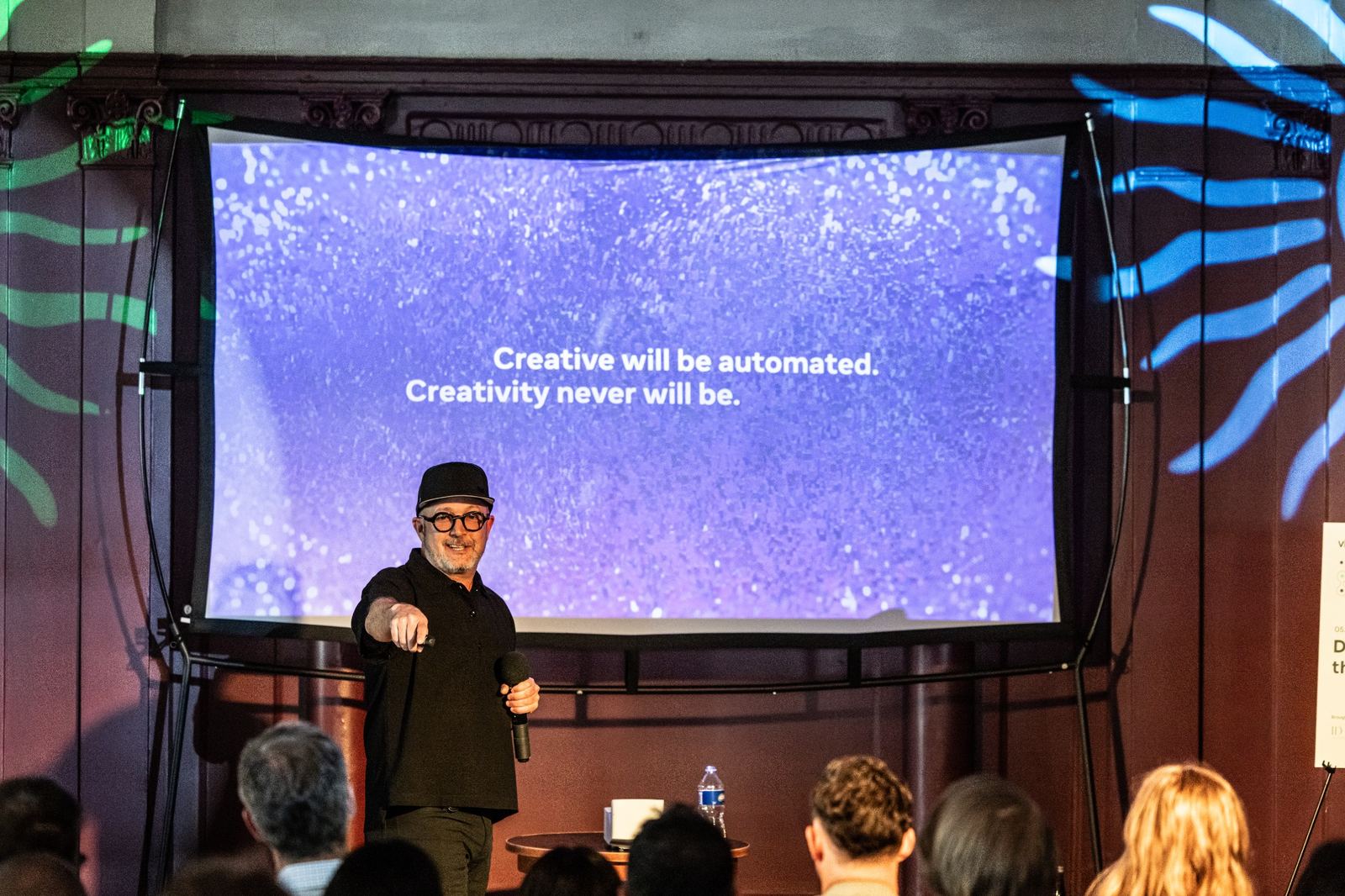
Last week at Creative Data Summit 2026, we brought together a select group of marketing leaders for a closed-door conversation about the future of marketing empowered by creative data. No recordings. No livestreams. Just candid, unfiltered discussion between the people currently architecting the next chapter of marketing.
For those who couldn't be in the room, here is a high-level look at the consensus from the stage
1. Creative Drives Performance. The Data Is Clear. Application Is What Matters Next.
Across every panel, one message rang loud and clear: Creative is no longer a downstream input to media; it is the primary driver of performance. Google shared that creative accounts for 70% of a campaign's impact, yet the industry has historically over-invested in optimizing the remaining 30%. The shift we’re seeing now is that data finally allows us to isolate, measure, and act on creative signals with the same precision we once reserved for media buying. Leaders from Hilton and Home Depot provided the proof points, reframing creative from a cost center into a high-yield investment, and the data was undeniable. The room agreed: the biggest ROI gains will go to those who treat creative decisions with data rigor, but then apply those insights. Because insights that never reach the brief change nothing.
2. The winners are building operating systems, not toolboxes
A consistent theme from leaders at Horizon Media, Google, and Verizon was that "buying a tool" is no longer enough. Real transformation happens when creative intelligence is embedded across the entire content lifecycle—from the initial brief through production to in-flight optimization.
The distinction is simple but profound: there is a world of difference between a collection of point solutions and a true operating platform. The brands pulling ahead are building integrated infrastructure where data, AI, and creative insights function as a single, cohesive engine rather than a series of "bolt-on" features.
3. AI without brand ethos compounds forgettable content
The "sea of sameness" risk is real, and the room had sharp opinions on how to avoid it. While AI accelerates creation, undifferentiated output leads to a "sea of sameness" that can actually erode brand equity over time.
The competitive advantage isn't AI alone, it’s the pairing of AI scale with human judgment. Meta’s Jimmie Stone described this as the "invisible glue" that keeps branding cohesive across thousands of variations. We are moving from a world of "makers" to a world of orchestrators. The future belongs to marketers who can direct agentic workflows while maintaining a distinct brand soul. Those who get this pairing right will compound their brand equity; those who don't will simply compound forgettable content.
These three themes only scratch the surface of the debate and the frameworks shared behind closed doors. The specific case studies and "how-to" playbooks discussed are currently driving the strategies of the world's most sophisticated brands.
We hope to see you at the next one! In the meantime, if you’re interested in learning more about how to start transforming your creative strategy, reach out to Vidmob today.
1 min read
In an era where marketers are challenged to do more with less, understanding the true drivers of marketing performance is not just an advantage—it's...
As we step into 2025, the marketing and advertising industry is undergoing an extraordinary transformation. AI is driving innovation, creative-first...
In this series exploring key concepts in The Essential Guide to Signal Loss for Digital Marketers, we’ve seen how global privacy regulation and...